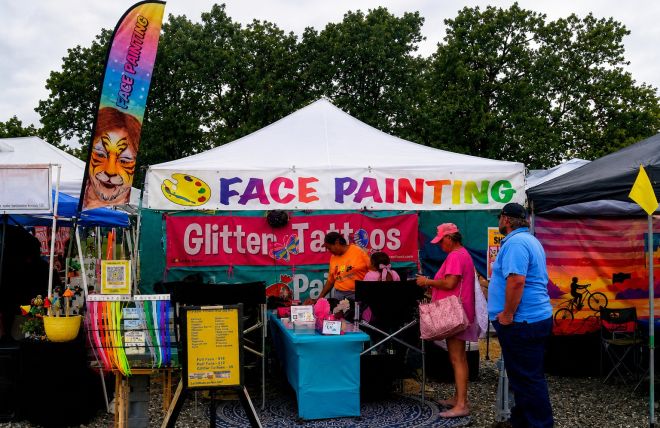
Face Painting For Events In Oklahoma City: What To Ask Before You Book

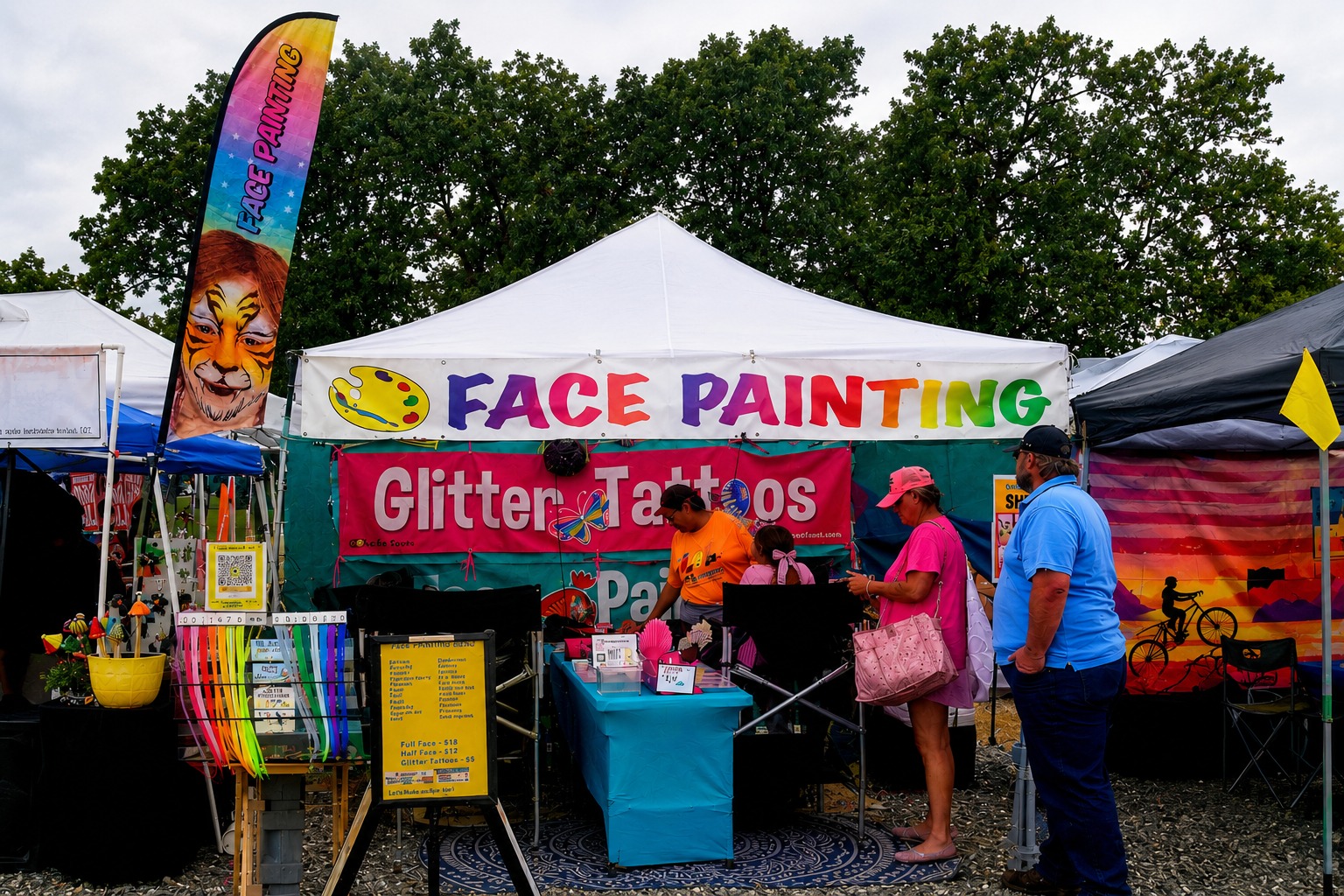
Face painting looks like the simplest entertainment booking you will make. Somebody arrives with paint, children queue, everyone is happy.
Then the queue does not move, half the children never get painted, and somebody's cheek is still stained the following morning. The difference between professional and hobbyist face painting is mostly invisible until the event, so here is what to ask beforehand.
Throughput Is The Number That Matters
Almost every face painting problem at an event traces back to arithmetic that nobody did.
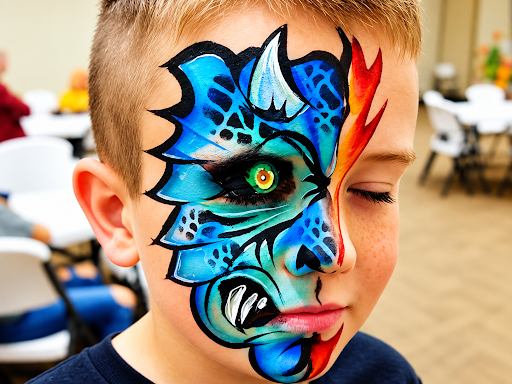
A detailed full face design takes several minutes. Simpler cheek art takes considerably less. So a painter's capacity varies enormously depending on what is being offered, and the honest number is somewhere between ten and twenty children per hour for most work.
With fifty children and one painter for two hours, a significant proportion are not getting painted, and a queue that never resolves creates more upset than no face painting would have.
Ask directly how many children per hour, and be specific about your guest count. A professional will tell you plainly whether you need a second artist or a simpler design menu.
For larger events, two painters offering quicker designs almost always beats one offering elaborate ones.
Ask What Paint They Use
This is the question that most separates professionals from hobbyists, and it genuinely matters.
Professional face paint is cosmetic grade and specifically formulated for use on skin. It is regulated differently from craft paint and it behaves differently, both in application and in removal.
Craft paint, acrylics and anything not intended for skin should never be used on a face. Neither should standard glitter, since craft glitter has sharp edges and poses a genuine risk near eyes. Cosmetic grade polyester glitter exists for this reason.
Ask what brands they use and whether products are cosmetic grade. Somebody who cannot answer that question immediately has told you something important.
Also ask about allergies and sensitive skin, and whether they can patch test. A professional will have a considered answer rather than a reassurance.
Hygiene Practices Worth Confirming
Fresh water between clients, or at minimum regularly changed water.
Clean sponges, with separate sponges rather than one reused across every child.
Brushes cleaned between uses.
And a clear policy on not painting children who are visibly unwell or have broken skin, cold sores or eye infections. A professional will decline in those situations, and being declined is the correct outcome.
These practices are standard among experienced artists and frequently absent among casual ones. They are entirely reasonable to ask about.
Judge Skill From The Right Evidence
Look at a portfolio, and look specifically at photographs of real children at real events rather than practice work on adult models in good lighting.
Working quickly on a moving five year old in variable light is a different skill from producing a beautiful design with unlimited time.
Ask whether they work from a set design menu. A menu is a sign of professionalism rather than limitation, because it means designs have been timed and practised and children can choose quickly instead of deliberating.
Ask how they handle a child who is nervous or does not want their face painted. The answer tells you a lot. Experienced painters offer an arm or hand design and never pressure a child.
Setup And Site Requirements
A table, two chairs and reasonable light are the basics, and light is the one most often overlooked. Detailed work in a dim room is slower and the results are worse.
Shade is essential for Oklahoma outdoor events. Direct summer sun affects the paint, the drying time and the painter's ability to work for two hours.
A location slightly away from the loudest activity helps, since children need to sit still for a few minutes.
Confirm setup and breakdown time, since that is not painting time and should not be counted as such.
For corporate and festival work the requirements differ again, and artists handling corporate event entertainment will usually have a standard requirements sheet.
Understand The Pricing Structure
Most artists charge by the hour with a minimum booking, and travel may be additional depending on distance.
Ask what the hourly rate includes, whether setup and breakdown are inside or outside the booked time, and whether there is a surcharge for weekends or peak dates.
Ask what happens if the event runs over and you want to extend, and whether that is possible at all given their schedule.
And ask about deposits, cancellation terms and weather policy. Outdoor events in Oklahoma need a genuine answer to the weather question rather than an assumption.
Be cautious of pricing well below the local range. Professional paint, insurance and experience cost money, and an unusually low quote usually means one of the three is missing. Artists offering face painting across Oklahoma should be able to explain what the rate covers.
Frequently Asked Questions
How many children can a face painter do in an hour?
Commonly between ten and twenty depending on design complexity. Detailed full face designs take several minutes each while simpler cheek art is much quicker. Ask for a specific number and compare it against your guest count before booking.
Is face paint safe for children's skin?
Professional cosmetic grade face paint formulated for skin use is generally safe. Craft paint and acrylics should never be used on faces, and craft glitter poses a risk near eyes. Ask what products are used and whether cosmetic grade glitter is used.
How much does face painting cost for an event?
Most artists charge hourly with a minimum booking, and travel may be additional. Confirm whether setup and breakdown fall inside the booked time and whether peak dates carry a surcharge. Quotes well below the local range usually indicate something is missing.
What does a face painter need at the venue?
A table, two chairs and good lighting, plus shade for outdoor events. A spot slightly away from the loudest activity helps, since children need to sit still. Setup and breakdown time should be agreed separately from painting time.
What if my child does not want their face painted?
An experienced painter will offer an arm or hand design instead and will never pressure a child. How a painter answers this question when you ask it is one of the better indicators of how much event experience they actually have.